



Article: Are Lab Grown Diamonds Durable Enough?
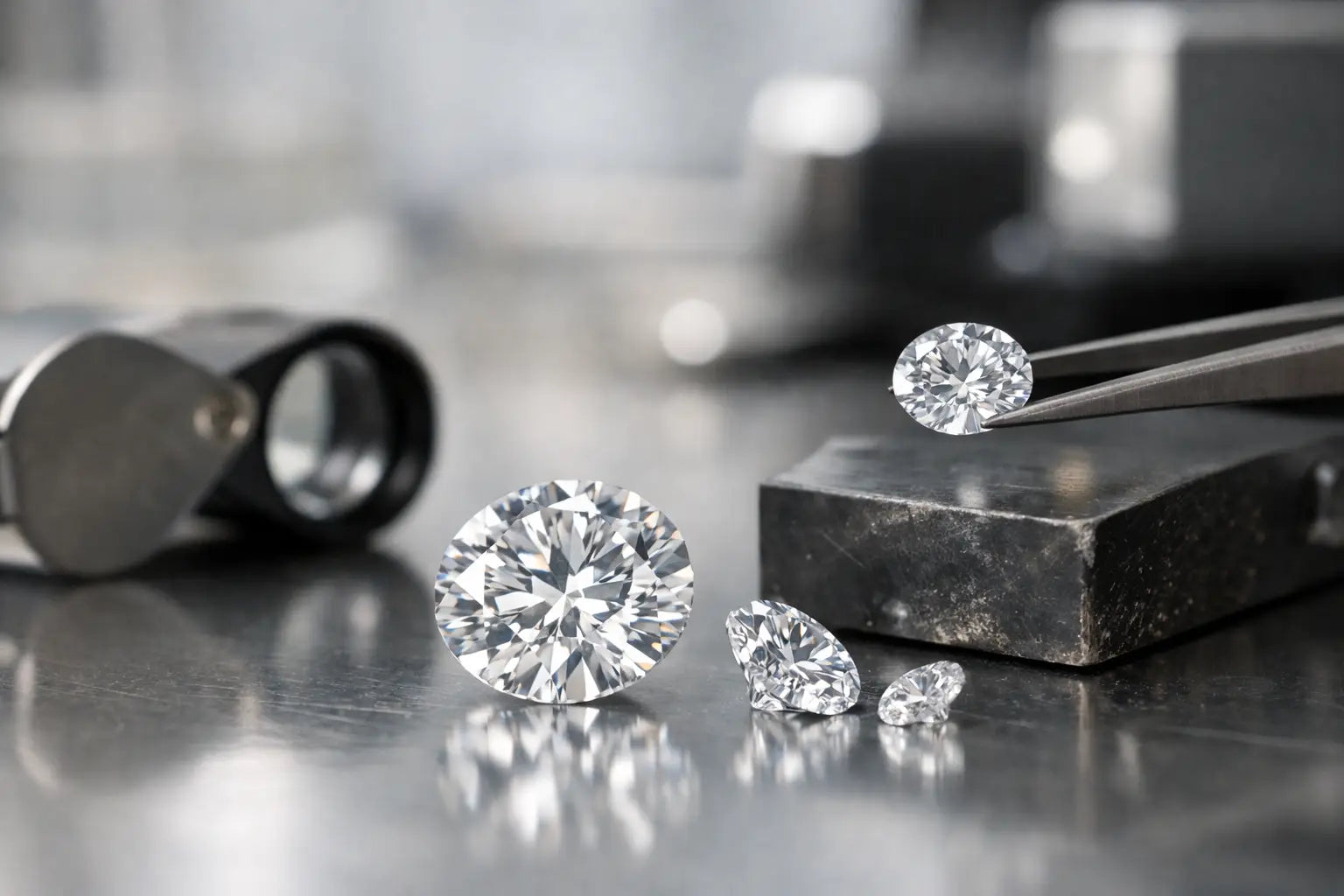
Are Lab Grown Diamonds Durable Enough?
The question usually comes up at exactly the right moment - when a ring stops being an idea and starts becoming part of everyday life. If you are asking, are lab grown diamonds durable, what you really want to know is whether they can handle years of wear while still looking as exceptional as the day they were chosen. For engagement rings, signature pendants and pieces designed to be lived in, durability is not a detail. It is part of the design.
Are lab grown diamonds durable for everyday wear?
Yes - lab grown diamonds are highly durable and entirely suitable for everyday jewellery. They are real diamonds, with the same chemical composition, crystal structure and optical beauty as mined diamonds. That means they also share the same hardness.
On the Mohs scale, diamonds sit at 10, which is the highest rating. In practical terms, this means a lab grown diamond resists scratching better than almost any other gemstone used in jewellery. If you wear a lab grown diamond ring daily, the stone itself is exceptionally well equipped to retain its polished surface and crisp facet edges over time.
That said, durability in jewellery is never just about one number. Hardness matters, but so do toughness, cut, setting style and how a piece is worn. A diamond can be very hard and still chip if it takes a sharp knock at the wrong angle. That applies to both lab grown and mined stones.
What durability really means in diamond jewellery
When people talk about a gemstone being durable, they often mean several things at once. They want to know whether it scratches easily, whether it can crack, whether it will lose its sparkle, and whether it is suitable for frequent wear.
With lab grown diamonds, the answer is reassuring across all of those points. They do not become cloudy with age. They do not wear down quickly. Their brilliance is not temporary. Their physical properties are fundamentally the same as those of mined diamonds, so their performance in jewellery is too.
Still, it helps to separate the terms. Hardness refers to scratch resistance. Toughness refers to resistance to breaking or chipping. Stability refers to how a stone responds to heat, light and everyday conditions. Lab grown diamonds perform beautifully in all three areas, which is why they are such a compelling choice for fine jewellery with longevity in mind.
Hardness and scratch resistance
This is the strongest part of the diamond story. A lab grown diamond is one of the hardest materials available for jewellery, which makes it ideal for rings and bracelets that naturally encounter more contact. Over years of wear, a softer gemstone can develop abraded facet edges or a slightly dulled surface. A diamond resists that kind of gradual wear far better.
For someone choosing a ring to mark an engagement, anniversary or personal milestone, this matters. You want the stone to keep its sharp, light-catching finish, not just for a season, but for decades.
Toughness and the risk of chipping
This is where nuance matters. Diamonds are hard, but not indestructible. If a stone is struck with force in a vulnerable area, particularly around a pointed tip or very thin edge, it can chip. Pear, marquise and princess cuts can be slightly more exposed at their points than round brilliant or cushion shapes, which tend to distribute impact more evenly.
This does not make lab grown diamonds fragile. It simply means intelligent design matters. The setting should protect the shape of the stone, and the wearer should treat fine jewellery with the respect it deserves. A beautifully made ring is designed for life, but not for gym sessions, gardening or carrying heavy luggage.
Are lab grown diamonds durable compared with mined diamonds?
Yes - in terms of wearability and durability, lab grown and mined diamonds are effectively the same. This is one of the most common points of confusion, largely because the word "lab" can sound as though the stone is somehow less permanent or less resilient. It is not.
A lab grown diamond is not a simulant. It is not comparable to cubic zirconia or glass. It is a diamond grown under controlled conditions rather than formed underground over geological time. Once created, its physical characteristics are the same as any other diamond. That includes the strength to be worn every day in rings, earrings, pendants and bracelets.
So if your decision is being shaped by longevity, you do not need to think of lab grown as a compromise in durability. The difference lies in origin, not performance.
The role of craftsmanship in long-term wear
A durable stone still needs a well-made home. In fine jewellery, the setting and metalwork are just as important as the centre stone when it comes to everyday resilience.
Claws should be properly formed and secure. Bezels should be cleanly finished and proportioned to the stone. The shank should suit the ring design and intended use. Even the choice of metal matters. Platinum is prized for its strength and substance, while gold offers enduring beauty across a range of tones and styles. The right combination depends on the piece, the wearer and how it will be worn.
This is often where premium design distinguishes itself. A carefully crafted setting does more than frame a diamond attractively. It protects the stone, supports comfort and preserves elegance through daily wear. A lab grown diamond set with precision in a thoughtfully engineered design can offer exceptional longevity.
Which jewellery styles are best for lab grown diamonds?
Lab grown diamonds are versatile enough for almost any category of fine jewellery, but some designs are naturally better suited to more active lifestyles.
For daily rings, round, oval and cushion cuts are especially practical because they have fewer vulnerable corners. A bezel setting or well-balanced claw setting can add security without compromising refinement. For earrings and pendants, where impact is less of a concern, you have even more freedom to prioritise shape and silhouette.
If you love a more directional cut, there is no reason to avoid it. It simply helps to pair it with protective design choices. V-prongs on pointed shapes, a low-profile setting and a considered band structure can all contribute to durability while preserving a polished, elevated look.
How to care for lab grown diamond jewellery
Durability does not remove the need for care. Fine jewellery rewards good habits, and a little attention goes a long way.
Regular cleaning helps maintain sparkle, especially for rings that collect hand cream, soap or everyday residue. Warm water, mild washing-up liquid and a very soft brush are usually enough for gentle home cleaning. It is also wise to remove diamond jewellery before activities that involve impact, chemicals or rough surfaces.
Storage matters too. Diamonds can scratch other jewellery, even if they are highly scratch resistant themselves. Keeping pieces separate in a lined jewellery box or soft pouch helps protect both the diamond and surrounding metalwork.
Periodic professional checks are equally valuable. Over time, claws can wear or loosen, and catching that early is the best way to keep a treasured piece secure. This is especially important for rings worn every day.
When durability depends on lifestyle
The better question is sometimes not simply are lab grown diamonds durable, but are they durable enough for your life. For most people, absolutely yes. If your jewellery is designed well and worn with reasonable care, a lab grown diamond is an excellent choice for daily wear and long-term enjoyment.
But lifestyle always plays a role. Someone who works extensively with their hands may want a lower-set stone, a more protective setting or a design reserved for certain occasions. Someone seeking a forever engagement ring with strong day-to-day practicality may prefer a round brilliant in platinum or 18ct gold. Durability is never only about the material. It is about matching the piece to the wearer.
That is why thoughtful guidance matters. At Harper Kendall, design is not simply about selecting a stone that looks beautiful under showroom lighting. It is about creating jewellery that feels personal, wearable and enduring in the rhythm of real life.
Lab grown diamonds offer the rare balance of modernity and permanence. They are crafted brilliance with the staying power fine jewellery should always possess. Choose a well-cut stone, place it in a beautifully considered setting, and wear it with intention - that is where lasting beauty truly begins.