Article: Platinum vs White Gold Rings: Which Suits You?

Platinum vs White Gold Rings: Which Suits You?
Some ring choices are instant. Others ask for a closer look. Platinum vs white gold rings is one of those decisions, especially when the piece is intended to mark something lasting - an engagement, a wedding, an anniversary, or simply a personal milestone worth wearing every day.
At first glance, the two metals can appear strikingly similar. Both offer a refined white finish that flatters diamonds beautifully and suits a modern, elegant jewellery wardrobe. Yet their character in wear is quite different. The right choice is not only about appearance on day one, but how the ring feels, ages and fits into your life over time.
Platinum vs white gold rings: the real difference
Platinum is a naturally white precious metal. White gold is yellow gold blended with white metals to create a cooler tone, then typically finished with rhodium plating for a brighter white surface. That difference matters because it shapes everything from colour consistency to maintenance.
Platinum tends to have a softer, more muted white tone with a luxurious depth to it. It does not rely on plating to look white, so its colour remains true over time. White gold often begins with a brighter, more reflective finish thanks to rhodium plating, which many people love for its crisp, polished appearance.
Neither is inherently better in every situation. The better choice depends on what you value most - a naturally white metal with reassuring weight, or a lighter piece with a bright finish and a different balance of long-term upkeep.
How each metal looks on the hand
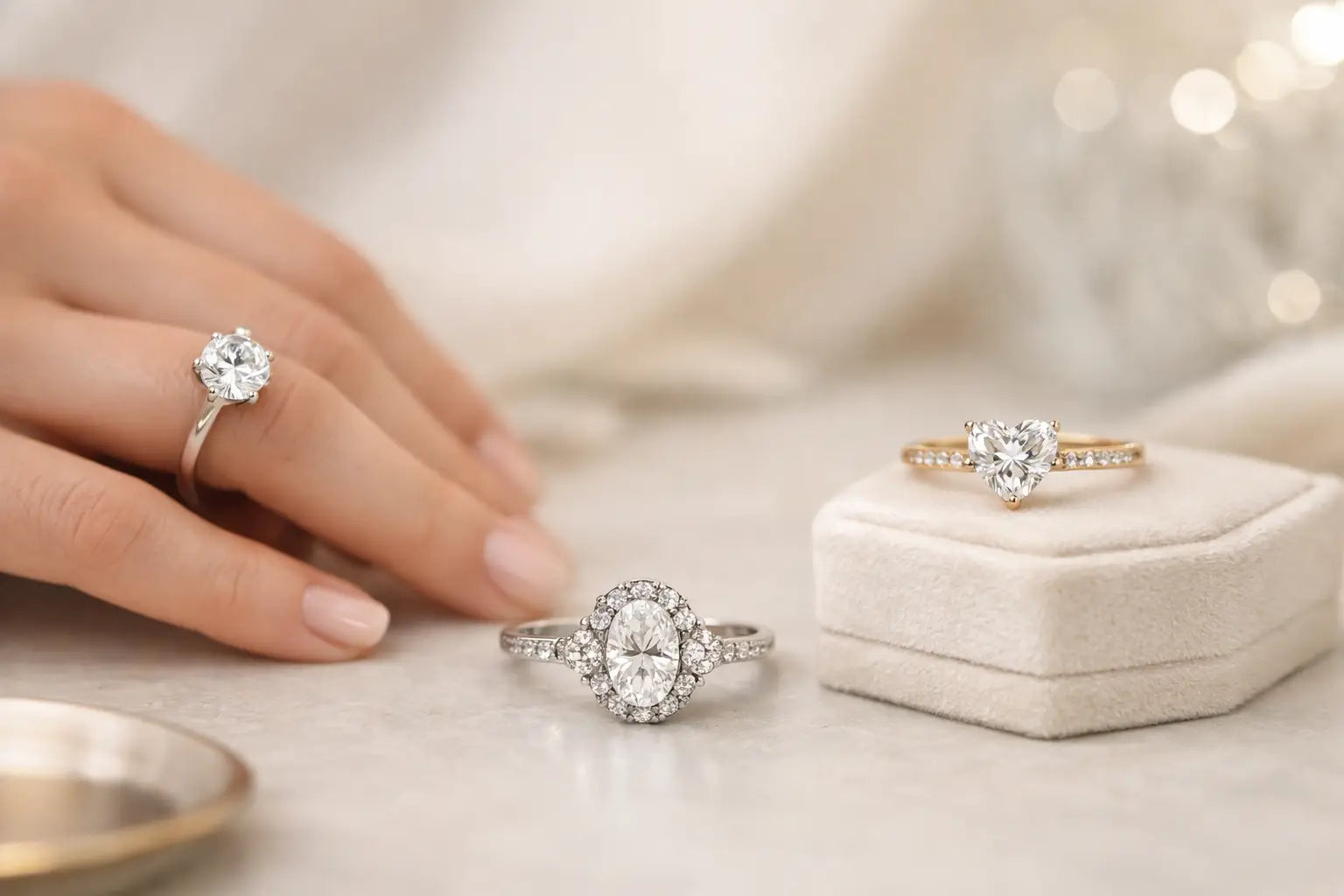
In a showroom setting, white gold can look slightly brighter than platinum. That brightness suits contemporary styling beautifully, especially in minimalist settings, pavé bands and fashion-led silhouettes. If you love a clean, luminous white finish, white gold often delivers that fresh-from-the-box brilliance.
Platinum has a more understated elegance. Its white tone is subtler and can feel a touch richer rather than mirror-bright. For many clients, that quiet sophistication is exactly the appeal. It looks considered, elevated and timeless rather than highly polished in a fashion sense.
Skin tone and styling preference can influence the decision more than people expect. If your jewellery wardrobe leans sleek, crisp and modern, white gold may feel natural. If you prefer substance, permanence and classic luxury, platinum often has the stronger pull.
What happens over time
This is where appearances begin to separate. White gold rings usually need occasional re-plating to maintain that brilliant white surface. Without it, the metal may reveal a slightly warmer tone underneath. Some wearers do not mind this at all. Others prefer to keep the ring looking bright and newly finished.
Platinum develops a patina over time - a soft surface sheen created by daily wear. Many people find this beautiful because it gives the ring a lived-in, elegant finish. If you prefer a high polish, platinum can be repolished, but it does not require rhodium plating to preserve its colour.
Durability and daily wear
If the ring will be worn every day, durability is understandably part of the conversation. Platinum is dense and strong, which makes it especially appealing for engagement rings and diamond-set styles intended for constant wear. When platinum is scratched, the metal is generally displaced rather than lost, which means the ring retains its mass well over time.
White gold is also durable and entirely suitable for everyday rings, particularly in well-crafted settings. However, with wear, tiny amounts of metal can gradually abrade away, and the rhodium finish will naturally need refreshing. That does not make white gold delicate - far from it - but it does mean its maintenance profile is different.
For claws securing a central diamond or for rings expected to see years of wear, platinum often feels like the more reassuring choice. For someone who wants elegance and strength with a lighter feel, white gold remains an excellent option.
Weight and feel
One of the biggest practical differences is weight. Platinum is noticeably denser than white gold, so it feels more substantial on the hand. Some clients love that immediate sense of presence. It can make a ring feel important in the best way - luxurious, grounded and enduring.
Others prefer the lighter feel of white gold, particularly if they are not used to wearing jewellery every day or favour a more delicate profile. There is no right answer here. Comfort is personal, and a ring that feels effortless to wear often becomes the one you never want to take off.
Maintenance, care and lifestyle
A ring should suit the reality of how you live, not only how it looks in a box. If low-maintenance appeal matters, platinum has an advantage. Its colour does not depend on surface plating, so there is less routine intervention needed to preserve its essential appearance.
White gold requires a little more attention if you want to maintain that bright white finish. Rhodium plating is part of the normal life of the ring, not a flaw. Many fine jewellery clients are perfectly happy with this, especially as periodic professional care can also keep the setting checked and the overall finish looking beautifully crisp.
If your hands are especially busy - whether through work, exercise, travel or simply daily habits - platinum may feel more practical over the long term. If you enjoy the ritual of occasional jewellery care and prefer the brighter plated look, white gold can be every bit as compelling.
Which metal is better for diamonds?
Both metals pair beautifully with diamonds. Their white tones allow the stone to take centre stage, which is why both are popular in engagement rings, wedding bands and diamond-set dress rings.
Platinum is often favoured for high-value or sentimental diamond pieces because of its strength and security, especially in settings where fine claws hold the stone. It also offers a distinctly luxurious finish that complements exceptional craftsmanship.
White gold, meanwhile, can create a very bright, clean frame around a diamond, particularly when freshly rhodium plated. It works beautifully across classic solitaires, halo designs and contemporary settings. The choice is less about whether one flatters diamonds more and more about how you want the finished piece to wear and evolve.
Value is not just about the metal
When comparing platinum vs white gold rings, many shoppers initially focus on the metal itself. That makes sense, but true value is broader than material alone. A well-made ring, thoughtfully designed and expertly finished, will always feel more satisfying than a poor version of a more prestigious metal.
It is also worth thinking beyond the purchase moment. Platinum can make sense for those who want a naturally white metal with enduring substance and less cosmetic upkeep. White gold can appeal to buyers who want a beautiful precious metal ring with a bright finish and a different wearing experience.
For milestone jewellery, emotional value often outweighs specification sheets. The most successful choice is the one that aligns with your style, your routine and the feeling you want every time you glance at your hand.
Platinum vs white gold rings for engagement and wedding styles
For engagement rings, platinum is often chosen for its security, prestige and quietly luxurious character. It suits heirloom-minded buyers and anyone drawn to timeless design with lasting presence. If the ring is intended to be worn through every season of life, platinum offers a strong sense of permanence.
White gold is especially appealing for those who love a bright, modern aesthetic. It can feel sleek, fashion-led and versatile, pairing beautifully with both classic and contemporary bridal styling. It is also often preferred by clients who want their ring to sit lightly and elegantly on the hand.
For wedding bands, the decision can come down to lifestyle and matching. Some couples love the reassuring weight of platinum bands as symbols of longevity. Others choose white gold for its polished brilliance and refined simplicity. If stacking with an engagement ring, consistency in colour and maintenance expectations is worth considering.
So which should you choose?
Choose platinum if you are drawn to a naturally white metal, appreciable weight, strong everyday durability and a finish that develops character rather than depending on re-plating. Choose white gold if you love a bright white appearance, a lighter feel and the polished refinement that comes with periodic care.
Both can be exquisite. Both can last beautifully. The difference lies in what kind of luxury feels most like you - quiet permanence or crisp luminosity.
The most memorable rings are not chosen by specification alone. They are chosen because they feel right the moment they are worn, and still feel right years later when the occasion has become part of your story.