Diamond Shape Guide for Elegant Selection
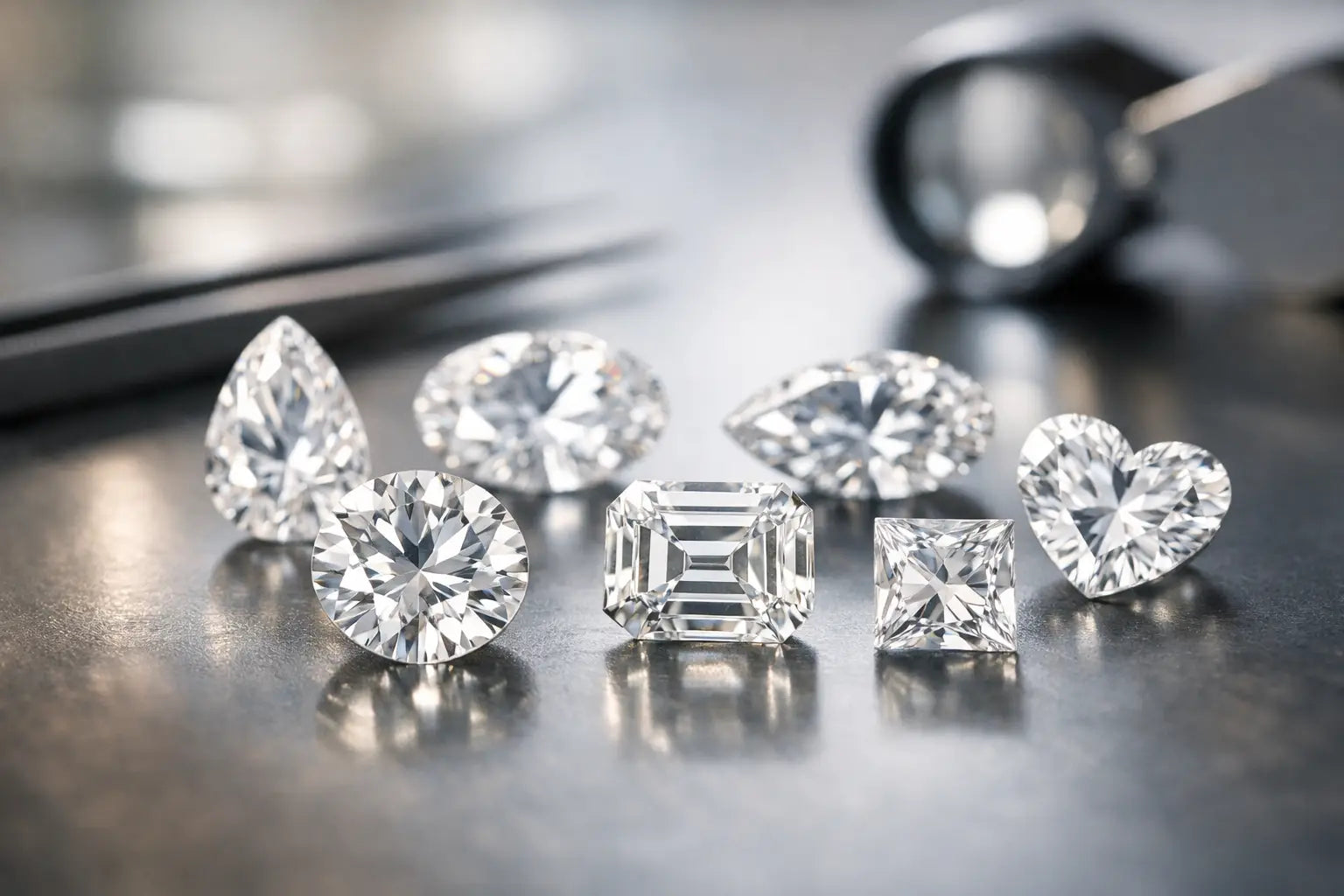
A diamond rarely speaks first through carat weight alone. What catches the eye, frames the hand and sets the tone of a piece is shape. This diamond shape guide is designed for anyone choosing a ring, pendant or pair of earrings and wanting more than a simple list of cuts. The right shape changes how a diamond reflects light, how large it appears and how modern, classic or distinctive the final design feels.
Why a diamond shape guide matters
Shape is often confused with cut, yet they are not the same. Shape refers to the outline of the stone - round, oval, pear and so on. Cut refers to how well the facets are proportioned and finished to create brilliance. Two diamonds can share the same shape and look entirely different depending on how they are cut, set and styled.
That is why choosing by shape first is often the most intuitive place to begin. It reflects personal taste before anything else. Some clients are drawn to strong symmetry and timeless refinement. Others prefer elongation, softness or a more fashion-led silhouette. In fine jewellery, shape is not a technical afterthought. It is the design language of the piece.
Diamond shape guide: the most popular styles
Round brilliant
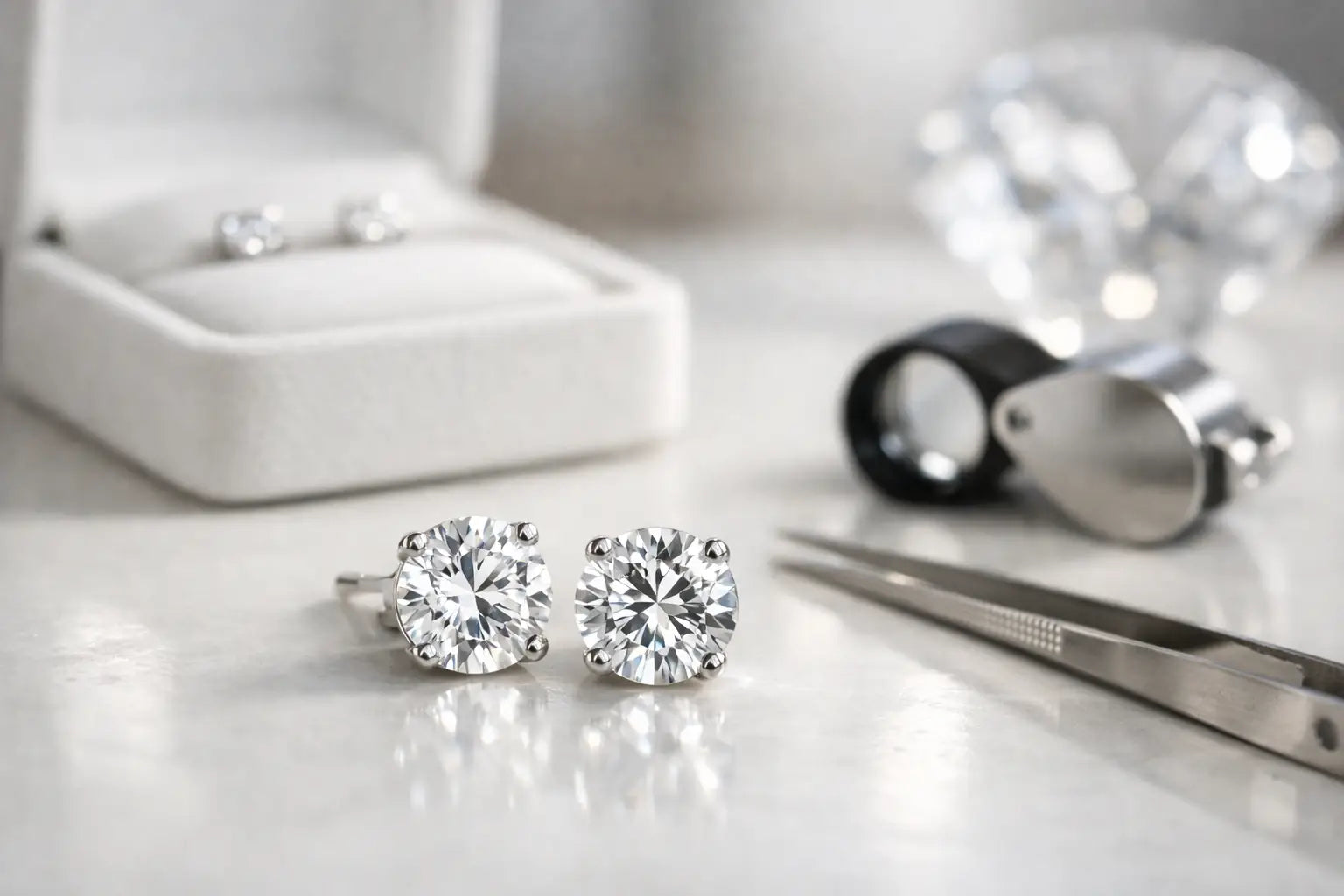
If you want maximum sparkle and enduring versatility, round brilliant remains the benchmark. Its facet pattern is engineered for exceptional light return, which gives it that unmistakable lively brilliance. It suits almost every setting style, from a pared-back solitaire to a diamond-set halo or a more sculptural bespoke design.
Round also tends to feel balanced and quietly luxurious. It does not lean too vintage or too directional, which makes it especially appealing for engagement rings intended to be worn every day for years. The trade-off is that its popularity means it can feel less individual unless the setting brings in personality.
Oval
Oval offers much of the brilliance of a round diamond, but with a more elongated outline that can create an elegant, lengthening effect on the finger. It is a favourite for those who want classic sparkle with a slightly more contemporary presence.
One reason oval continues to attract style-conscious buyers is scale. It can appear larger than a round diamond of similar carat weight because of its stretched shape. That said, proportion matters. Some ovals are slender and dramatic, while others are softly rounded and more traditional. The right choice depends on whether you want understated grace or a stronger fashion profile.
Cushion
Cushion-cut diamonds are known for their softened corners and romantic character. They sit somewhere between vintage charm and modern sophistication, which makes them remarkably flexible in design. In yellow gold or platinum alike, a cushion can feel rich, refined and full of depth.
There is more variation within cushion than many expect. Some are squarer, others more rectangular. Some show a chunkier facet pattern with broader flashes of light, while others are cut for a brighter, more crushed-ice effect. For buyers who love warmth and personality over clinical precision, cushion is often deeply appealing.
Emerald
Emerald-cut diamonds are not chosen for sparkle in the conventional sense. They are chosen for poise. With their step-cut facets and open table, they create long, mirror-like flashes rather than glittering scintillation. The effect is understated, architectural and extremely elegant.
This shape tends to suit those with a strong eye for design. It has a composed confidence that feels luxurious without trying too hard. Because the facets are more transparent, clarity can be more noticeable than in brilliant cuts. That does not make emerald less desirable - it simply means quality and proportion deserve close attention.
Pear
Pear shape combines the softness of a round end with the point of a marquise-like tip, creating a silhouette that feels graceful and distinctive. It can be worn with the point facing up or down depending on the look you prefer, and that small styling choice changes the mood of the piece.
Pear-shaped diamonds often feel expressive and slightly less expected. They work beautifully in pendants and drop earrings as well as rings. The pointed end does require protective setting considerations, particularly for everyday wear, so design is part of the decision, not just the stone itself.
Marquise
Marquise is unapologetically dramatic. Its elongated shape with pointed ends creates impressive finger coverage and a regal line. For those who want a ring with presence, it offers a striking alternative to more familiar silhouettes.
The look is distinctive, but it is not for everyone. Marquise can read boldly vintage or sharply modern depending on the setting. It also benefits from balanced proportions - too narrow and it can appear severe, too wide and it may lose its elegance. When handled well, it is one of the most memorable shapes in fine jewellery.
Princess
Princess cut is crisp, modern and brilliantly faceted, with a square outline that offers plenty of sparkle. It has a cleaner geometry than round or cushion, which appeals to buyers who like a more tailored aesthetic.
This shape often suits contemporary settings particularly well, though it can also be softened with diamond-set shoulders or a halo. Its corners are more vulnerable than rounded shapes, so secure setting design is essential. For everyday jewellery, that practical detail matters just as much as appearance.
Radiant
Radiant cut brings together the outline of an emerald or rectangular stone with the brilliance of a more sparkling facet pattern. The result is lively, polished and versatile. It suits clients who admire the longer lines of step-cut shapes but still want stronger fire and brightness.
Radiant often works beautifully in statement rings because it combines structure with energy. It can feel glamorous without losing sophistication. If you find emerald a little too restrained and oval a little too soft, radiant often sits in the sweet spot.
Asscher and heart
Asscher cut shares some qualities with emerald, but in a squarer format with deeply mesmerising step facets. It has a distinctly vintage mood and a refined, collector-like appeal. It is not the most common choice, which is part of its charm.
Heart shape is more expressive and naturally more niche. In the right setting, it can feel romantic and beautifully personal rather than novelty-led. Precision is crucial here, as symmetry defines its beauty.
How to choose the right shape for your jewellery
The best diamond shape guide does not end with aesthetics alone, because shape should also suit the way the piece will be worn. For rings, consider lifestyle first. A highly active wearer may prefer shapes with fewer exposed points, such as round, oval or cushion, especially for daily wear. Pointed shapes can absolutely be practical, but they need thoughtful settings.
Hand shape and finger length can also influence what looks most balanced. Elongated shapes such as oval, pear, marquise and emerald tend to lengthen the appearance of the finger. Round and cushion often feel beautifully centred and classic. If you are choosing earrings or a pendant, the equation shifts slightly. Movement, drop and overall silhouette may matter more than durability at the edges.
Then there is style language. Round and oval sit comfortably within timeless design. Emerald and Asscher feel quietly architectural. Cushion and pear lean romantic. Princess and radiant can feel sharper and more contemporary. None is objectively better - the right choice is the one that reflects the wearer with confidence.
Shape, setting and overall presence
A diamond never exists in isolation. The setting can make a shape feel more delicate, more dramatic or more substantial. A solitaire places full attention on the stone outline, which makes shape selection especially important. A halo can increase visual size and soften or emphasise certain contours. Claw style, band width and metal colour all alter the final impression.
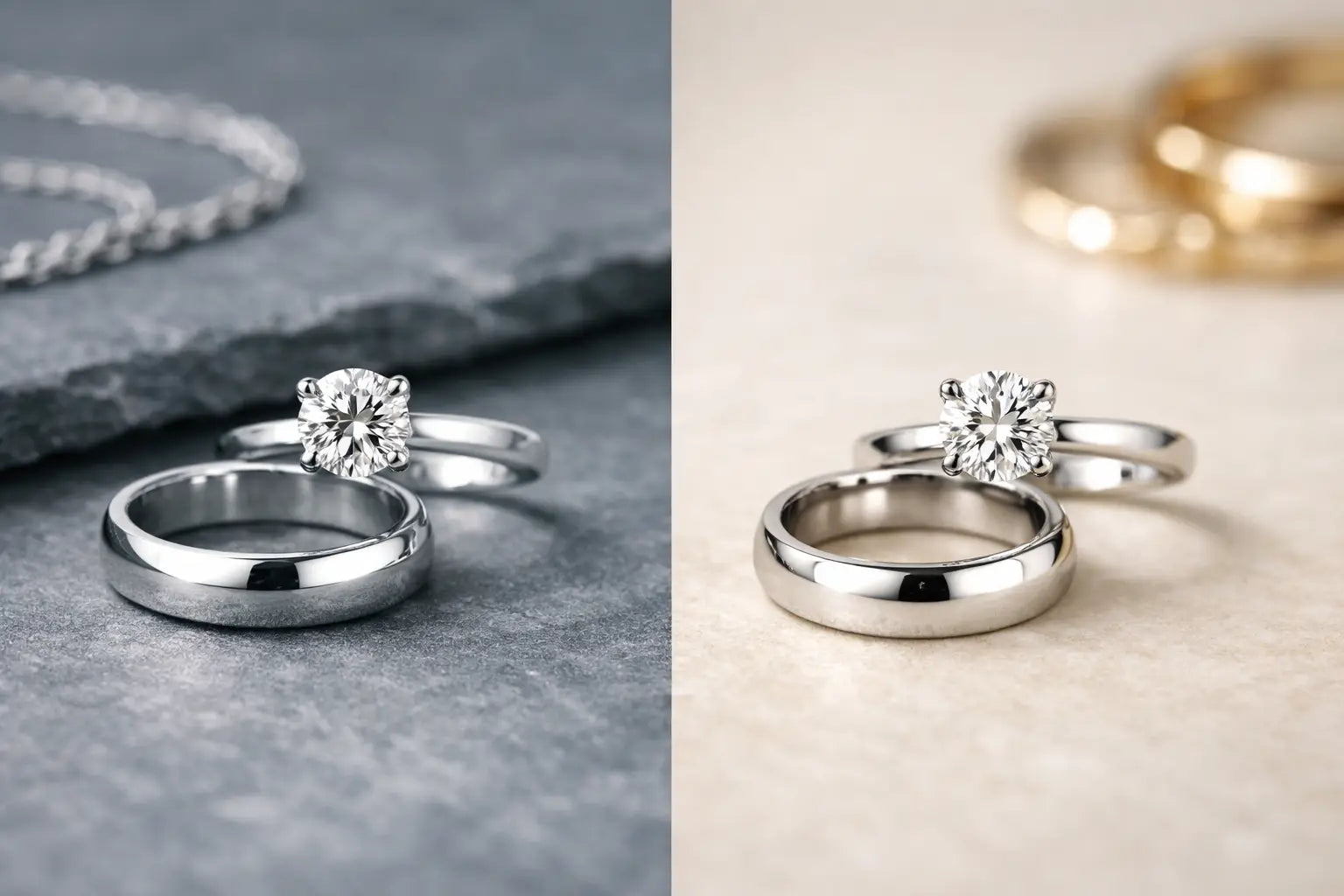
This is where bespoke guidance becomes valuable. A beautifully cut oval in a slim platinum solitaire gives a very different result from the same shape framed by warm gold and pavé detail. One feels pared-back and modern, the other more opulent. The shape stays the same, but the design story changes.
A final note on proportion
Even within the same shape category, proportion changes everything. Not all oval, cushion or emerald diamonds have the same personality. Length-to-width ratio, corner shape and facet arrangement influence whether a stone feels crisp, soft, vintage or contemporary. This is why images and specifications should always be considered together.
At Harper Kendall, we see shape as the beginning of personal design rather than a box to tick. Whether you are selecting an engagement ring, marking a milestone or choosing a piece simply because it feels right, the best diamond shape is the one that still feels unmistakably yours long after the first sparkle catches the light.